Review: Christmas Hot Cocoa Clipart 7 for Holiday Stitching
As we move deeper into the holiday season, the demand for cozy, nostalgic designs skyrockets. Every Etsy seller and boutique owner knows that customers are looking for items that evoke warmth and comfort. Recently, I pulled Christmas Hot Cocoa Clipart 7 from my library to evaluate its potential for a batch of custom sweatshirt embroidery orders. This isn't just a quick glance at a pretty picture; it is a deep dive into how this specific Illustrations asset translates from a digital screen to a tangible, stitched reality.
First Impressions and Visual Personality
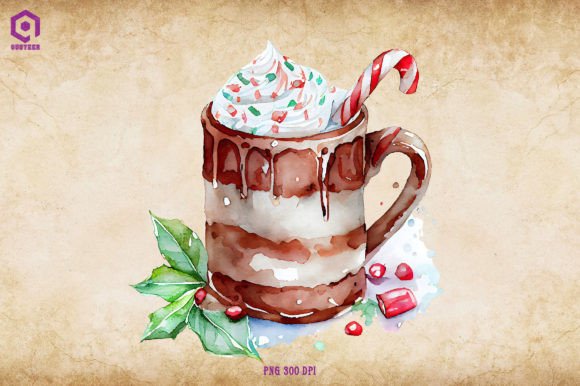
When I first opened the file, the immediate mood was undeniably inviting. The composition of Christmas Hot Cocoa Clipart 7 captures that quintessential winter evening feeling. The lines are clean, and the balance between the mug, the steam, and any accompanying holiday elements feels intentional rather than cluttered. For an embroidery designer, the visual personality of a design dictates where it belongs. This particular piece screams "lifestyle product." It feels right at home on a oversized crewneck, a canvas tote, or even a rustic kitchen towel.
The layout suggests a design that relies heavily on clear shapes. In the world of machine embroidery design, complex gradients don't exist; everything must be interpreted through thread. My initial assessment is that this graphic has strong potential for conversion because the core elements are distinct. However, the devil is always in the details when moving from a vector or raster image to an embroidery file.
Real-World Application: The Custom Tote Scenario
To truly test the viability of Christmas Hot Cocoa Clipart 7, I imagined a specific client project: a set of personalized gift totes for a local coffee shop's holiday promotion. The goal was to create a handmade product that felt premium but could withstand the rigors of daily use.
If I were stitching this onto a heavy cotton canvas tote bag design, the stability of the fabric would work in my favor. The design's theme aligns perfectly with the product function. Customers receiving these bags would likely associate the high-quality stitch-out with the brand's attention to detail. The visual appeal here drives buyer engagement; it is the kind of image that makes someone stop scrolling on social media or pick up an item at a craft fair.
However, the transition from clipart to thread requires careful planning. If the original artwork relies on subtle shading, I would need to simplify those areas into solid blocks of color using fill stitch techniques. For the steam rising from the cup, a lighter running stitch or a delicate satin column might be necessary to maintain that airy feel without creating a dense, stiff patch of thread that ruins the drape of the fabric.
Fabric Considerations and Technical Challenges
Not every surface is created equal. While Christmas Hot Cocoa Clipart 7 looks fantastic on paper, its performance changes drastically depending on the substrate.
- Textured Fabrics: On a waffle-knit towel or a bouclé sweater, fine details can get lost. If the design includes tiny text or intricate borders, these might disappear into the fabric texture. I would recommend increasing the scale slightly or simplifying the outer edges.
- Stretchy Materials: For baby embroidery projects, such as a onesie or a soft blanket, the stretch of the knit fabric is a major concern. A dense design can cause puckering. Before committing to a final run, one must test the stitch density. If the clipart converts to a very heavy fill, it may need to be re-digitized with more pull compensation or lighter underlay.
- Dark Fabrics: This is a critical point for holiday items. If stitching on a navy or black sweatshirt, the contrast of the thread colors becomes paramount. The white or cream tones representing the marshmallows or foam need to be bright enough to pop against the dark background without looking muddy.
- Curved Surfaces: Applying this to a cap is tricky. The front panel of a hat is curved and often made of thick twill. A wide design like a cocoa mug might need to be narrowed or arched to fit the available hoop size and the geometry of the cap without distortion.
Stitching Clarity and Product Value
The ultimate test of any design is the finished product. Does it look professional? Does it enhance the perceived value of the item? When executed correctly, Christmas Hot Cocoa Clipart 7 can significantly boost brand consistency for a small shop. A crisp, well-stitched logo or graphic tells the customer that care was taken in production.
Conversely, poor execution can lead to customer distrust. If the satin stitches covering the mug handle are too wide, they might gap or snag. If the fill stitches are too dense, the fabric might pucker, making the custom apparel look cheap. The clarity of the stitch-out directly impacts giftability. People want to give gifts that look polished, not like a failed experiment.
Practical Notes for the Embroidery Designer
Before you load this design into your machine for a large commercial run, there are several practical steps you must take. These aren't just suggestions; they are necessities for maintaining quality control in a craft business.
- Test on Scrap Fabric: Never skip the test stitch. Use the exact same fabric and stabilizer combination you plan to use for the final product. This reveals issues with tension and registration early.
- Check Thread Contrast: View your test stitch in black and white. Sometimes, two different colors look distinct on the screen but blend together when stitched, losing the definition of the design.
- Review Stitch Density: Feel the back of the sample. Is it stiff as a board? If so, consider reducing the density or changing the fill angle to allow the fabric to breathe, especially for wearables.
- Confirm Hoop Size: Ensure the design fits within your available hoop dimensions without needing to re-hoop mid-design, which can lead to alignment errors.
- Inspect Small Details: Zoom in on the finished sample. Are the tiny dots representing sprinkles actually stitching out, or are they turning into blobs? Tiny elements often need to be enlarged or converted to simple running stitches.
- Stabilizer Selection: Choose the right stabilizer for the job. A cut-away might be needed for stretchy knits to prevent distortion over time, while a tear-away could suffice for stable woven tote bags.
Licensing and Commercial Use
Finally, a crucial reminder for all digital embroidery file users and small shop product creators: always verify the licensing terms. Just because you have purchased or downloaded Christmas Hot Cocoa Clipart 7 does not automatically grant unlimited commercial rights. Check if the license allows for selling finished physical goods like shirts and mugs, or if there are restrictions on selling the digitized file itself. Protecting your business means respecting intellectual property and understanding the boundaries of your design assets.
In conclusion, Christmas Hot Cocoa Clipart 7 offers a charming aesthetic that fits perfectly into the current market trend for cozy, holiday-themed goods. With careful digitizing, thoughtful fabric selection, and rigorous testing, it can become a staple in your holiday embroidery collection, driving sales and delighting customers with its warm, festive appeal.