Christmas Element Icon: A Designer's Review for Holiday Stitching
As we approach the busiest season for custom orders, every machine embroidery design in my library gets put under a microscope. It is not just about whether a file looks cute on a screen; it is about how it translates into thread, how it survives a wash cycle, and whether it elevates the perceived value of the finished product. Today, I am taking a close look at the Christmas Element Icon, a piece from the Illustrations category that promises to be a versatile asset for holiday projects. After reviewing the layout and considering its application on various textiles, here is my practical assessment for fellow designers, Etsy sellers, and makers.
First Impressions and Visual Personality
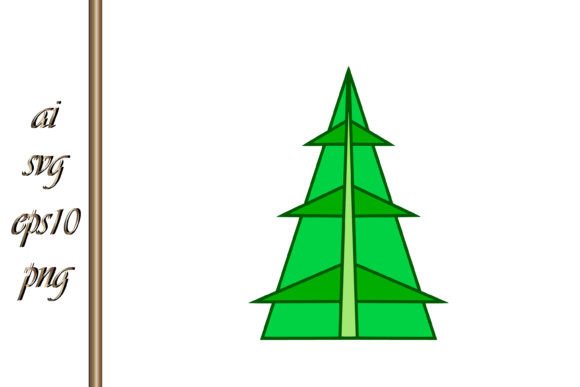
When I first opened the digital embroidery file for the Christmas Element Icon, the immediate takeaway was its clean, graphic nature. Unlike overly complex scenes that can get lost in translation when stitched, this design relies on strong silhouettes and balanced negative space. The mood it creates is festive without being cluttered, making it an excellent candidate for modern, boutique-style branding. The shape feels intentional, suggesting that the original artist understood the limitations and strengths of thread.
The visual personality of this icon leans towards the classic yet contemporary. It avoids the trap of looking dated, which is crucial for small shop products that need to remain relevant beyond a single season. For a designer, this means the Christmas Element Icon is not just a one-off decoration; it is a potential logo mark or a recurring motif for a holiday collection. The level of detail appears managed well, avoiding microscopic elements that often break or cause bird-nesting during high-speed stitching.
Real-World Application: The Holiday Tote Scenario
To truly evaluate this design, I imagined a specific real-life scenario: preparing a run of custom embroidered tote bags for a local boutique's holiday gift-with-purchase promotion. The client wanted something recognizable but subtle enough to blend with their existing brand aesthetic. This is where the Christmas Element Icon shines. Placed centrally on a canvas tote, the icon acts as a focal point without overwhelming the bag's utility.
In this context, the design performs exceptionally well as a tote bag design. Its structure holds up against the texture of canvas or heavy cotton twill. If I were to use this on a sweatshirt embroidery project, perhaps for a cozy family matching set, the icon's simplicity ensures it remains legible even on fuzzy fleece or French terry fabrics. For baby embroidery, such as on a onesie or a burp cloth, the lack of excessive density is a major plus, keeping the garment soft and comfortable against sensitive skin while still delivering a festive message.
Furthermore, for those running an online store, this asset is perfect for creating printable mockups. Because the lines are distinct, it photographs beautifully for social media previews, helping to drive engagement before the physical item is even shipped. Whether used as a standalone personalized gift or part of a larger commercial embroidery run, the icon adapts well to the medium.
Navigating Fabric Challenges and Technical Considerations
While the Christmas Element Icon is robust, no design is universally foolproof without proper preparation. There are specific scenarios where caution is required. If you plan to stitch this onto stretchy fabrics like jersey knits or performance wear, the stability of the outline becomes critical. You must pair this embroidery file with the correct stabilizer. A cut-away stabilizer is likely necessary for garments that will undergo frequent washing to prevent the design from distorting over time.
Another area to watch is the hoop size. While the icon appears compact, always verify the dimensions against your machine's capabilities, especially if you are working with small items like cap fronts or sock cuffs. Curved surfaces, such as baseball caps, can sometimes warp designs that have long, straight runs or wide fill areas. Although this icon seems relatively safe, testing on a scrap piece of the actual cap material is non-negotiable. Additionally, if you are working with dark fabrics, pay close attention to the thread colors specified in the file. You may need to manually adjust the sequence to include an underlay or a brighter top thread to ensure the Christmas Element Icon pops against a navy or black background.
For textured fabrics like towels or waffle weave, the stitch density plays a huge role. If the design uses dense fill stitch areas, it might sink into the loops of a towel, losing definition. In such cases, consider using a topping to keep the stitches floating above the texture. Conversely, if the design relies heavily on satin stitch columns, ensure they are not too wide for the fabric, as this can lead to looping.
Enhancing Brand Value and Customer Trust
From a business perspective, the choice of design directly impacts customer trust and brand perception. A sloppy or poorly digitized icon can make a handmade business look amateurish. The Christmas Element Icon, with its crisp lines and professional finish, contributes positively to brand consistency. When a customer receives an item with clear, well-executed stitching, it reinforces the quality of the entire purchase.
This design also excels in versatility for design assets. It can be scaled down for an embroidered patch or used as a subtle accent on a pocket. For craft business owners, having a reliable go-to icon saves time on sourcing new files and allows for faster production turnaround during the hectic holiday rush. It supports the creation of cohesive collections, such as pairing the icon on kitchen towels, aprons, and pillow covers to create a bundled holiday home set.
Practical Notes for the Working Designer
Before committing to a full production run with the Christmas Element Icon, I recommend the following workflow:
- Test on Scrap Fabric: Always stitch a sample on the exact same material and weight you intend to sell. This reveals issues with puckering or thread breaks immediately.
- Check Contrast: View your test stitch-out in black and white or from a distance to ensure the design reads clearly without color reliance.
- Verify Licensing: Since this falls under Illustrations, confirm the license terms regarding commercial use. Ensure you are allowed to sell finished physical goods or if there are restrictions on digital redistribution.
- Inspect Small Details: Look closely at any tight corners or connecting points in the icon. These are common failure points if the digitizing isn't precise.
- Review Stitch Density: If the design feels stiff after stitching, consider editing the file to reduce density if your software allows, or switch to a lighter weight thread.
In conclusion, the Christmas Element Icon stands out as a practical, high-quality choice for the upcoming season. It bridges the gap between decorative flair and functional design, making it suitable for everything from custom apparel to home decor. By respecting the technical requirements of your specific fabric and machine, you can leverage this design to create stunning, professional-grade items that customers will love. It is a solid addition to any designer's library, ready to be transformed into memorable holiday treasures.