Christmas Frames 1: A Designer's Review for Holiday Projects
As we approach the busiest season for custom orders, every stitch counts. When I first opened the Christmas Frames 1 file on my workstation, I wasn't just looking at a pretty picture; I was evaluating a potential asset for my upcoming holiday collection. In the world of commercial embroidery, a design isn't just about how it looks on the screen—it's about how it behaves under the needle, how it sits on a textured sweatshirt, and whether it holds up after a client washes their new tote bag ten times. This review breaks down the practical realities of using this Illustrations-style asset in real-world scenarios.
First Impressions and Visual Personality
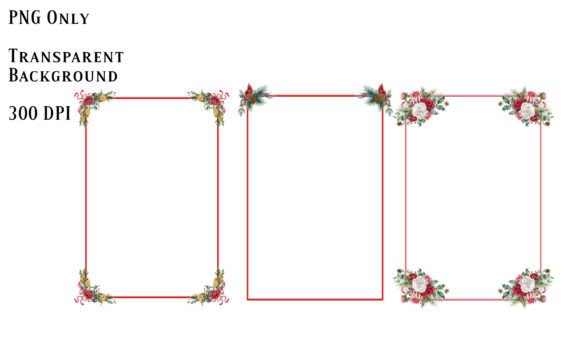
The immediate takeaway from Christmas Frames 1 is its classic, nostalgic mood. Unlike some modern, abstract holiday motifs that rely on minimalism, this design leans into traditional warmth. The layout suggests a border or enclosure style, perfect for framing monograms, family names, or established dates. For a designer, the visual personality here screams "heirloom." It feels substantial without being overly heavy.
When assessing the detail level, I noticed a balance between open space and defined lines. This is crucial for machine embroidery design files. If a frame is too dense, it creates a stiff patch on soft fabric; if it's too sparse, it gets lost on busy materials. Christmas Frames 1 appears to strike a middle ground, offering enough structure to define a shape while leaving room for the fabric's natural drape to shine through. This makes it an excellent candidate for both high-end boutique branding and cozy, personalized gifts.
Real-World Application: The Holiday Tote Scenario
To truly test the viability of any embroidery project, I mentally run it through a specific use case. Let's say a client wants a set of reusable shopping bags for holiday gifting. They want something elegant but durable. Here is where Christmas Frames 1 shines.
Imagine stitching this onto a canvas tote bag design. The frame acts as a focal point in the center, perhaps enclosing a stitched "Happy Holidays" or a family surname. Because the design functions as a border, it naturally draws the eye inward. On a thick canvas material, the fill stitch areas within the frame would pop beautifully against the weave of the fabric. However, as a professional, I would be cautious about the corners. Sharp turns in embroidery frames can sometimes cause thread bunching if the stitch density is too high. Before committing to a production run of fifty bags, I would absolutely stitch a sample on scrap canvas to ensure the corners remain crisp and the fabric doesn't pucker.
Versatility Across Products
Beyond tote bags, the adaptability of Christmas Frames 1 extends to various custom apparel and home goods.
- Sweatshirts and Hoodies: This is arguably the strongest use case. The festive theme pairs perfectly with fleece or French terry. Placed on the chest or even larger on the back, it elevates a basic garment into a small shop product ready for an Etsy seller's inventory.
- Kitchen Linens: Tea towels and aprons benefit from framed designs. The structure of the frame gives a finished look to what might otherwise be a simple running stitch motif.
- Pillow Covers: For home decor, this design could frame a monogram on a velvet or linen pillow cover, adding a touch of holiday sophistication to living room decor.
- Baby Embroidery: With adjusted sizing, this could frame a birth date or name on a baby blanket. However, one must be careful with thread colors; softer pastels or traditional reds and greens work best here to maintain the gentle aesthetic required for infant items.
Technical Considerations and Fabric Challenges
While the aesthetic appeal is strong, a responsible designer must address the technical hurdles. Not every fabric plays nice with every digital embroidery file.
Fabric Texture and Stretch: If you plan to use Christmas Frames 1 on stretchy knits like t-shirts or performance fabrics, stabilization is non-negotiable. A frame design can act like a rigid hoop within the garment if not stabilized correctly, leading to distortion after washing. I recommend using a cut-away stabilizer for long-lasting durability, especially for items that will see frequent wear.
Dark Fabrics: One common pitfall with framed illustrations is visibility on dark backgrounds. If the design relies heavily on fine satin stitch outlines, they might get lost on black or navy blue fabric. In such cases, consider adding a light-colored underlay or adjusting the thread palette to ensure contrast. Testing the design in a black-and-white mockup before stitching can save you from unpleasant surprises.
Small Hoop Sizes: Depending on the specific dimensions of the file you purchase, fitting this into a small 4x4 hoop might crop essential details of the frame. Always check the available sizes. If the design is too large for a cap or a pocket, you may need to request a resized version from the vendor, keeping in mind that scaling down too much can merge small details into a solid blob of thread.
Enhancing Brand Value and Customer Trust
Ultimately, the choice of design assets impacts your brand perception. Using a well-digitized, thoughtful design like Christmas Frames 1 signals professionalism. Customers can tell the difference between a sloppy, pixelated stitch-out and a clean, intentional piece of art. When a client receives a personalized gift that features crisp lines and balanced density, their trust in your craft business grows. It transforms a simple transaction into a memorable experience.
For those selling printable mockups or digital previews, this design offers excellent visual potential. Its symmetrical nature makes it easy to visualize on various products in Photoshop or Canva, helping you market your finished product more effectively before a single thread is stitched.
Final Verdict and Designer Notes
Christmas Frames 1 is a solid contender for the holiday season, provided it is treated with the respect a quality Illustrations piece deserves. It is not a "set it and forget it" file; it requires a designer's eye to match it with the right fabric and stabilization strategy.
Before launching this into your production line, follow these practical steps:
- Test on Scrap: Never skip the test stitch. Use the exact fabric and stabilizer combination you intend to sell.
- Check Licensing: Confirm the terms of use. Can you sell the physical item? Can you sell the digitized file? Clarify this with the provider to avoid legal issues.
- Inspect Density: Look closely at the jump stitches and trim points. Excessive trimming can weaken the frame's integrity over time.
- Color Contrast: Ensure your chosen thread colors provide enough contrast against the base fabric to make the frame legible.
In summary, if you are looking to add a touch of traditional elegance to your holiday embroidery lineup, this design has the potential to be a star performer. It bridges the gap between decorative flair and functional design, making it a versatile tool for anyone serious about creating high-quality handmade products.