Griswold and Co Christmas Tree Farm: A Designer's Review
There is a specific kind of nostalgia that hits hard when you see a well-executed vintage-style holiday graphic. As someone who spends hours staring at screens digitizing patterns and testing machine embroidery design files on various fabrics, I approach new assets with a critical eye. I am not just looking for something cute; I am looking for something that will hold up under the needle, sell in an Etsy seller shop, or make a client happy when they unwrap a personalized gift. The Griswold and Co Christmas Tree Farm design immediately caught my attention within the Illustrations category. It promises that rustic, family-owned farm aesthetic that has become synonymous with cozy holiday branding. But does it translate from a digital preview to a tangible finished product? Let's break down how this file performs in the real world.
The First Impression: Mood and Visual Personality
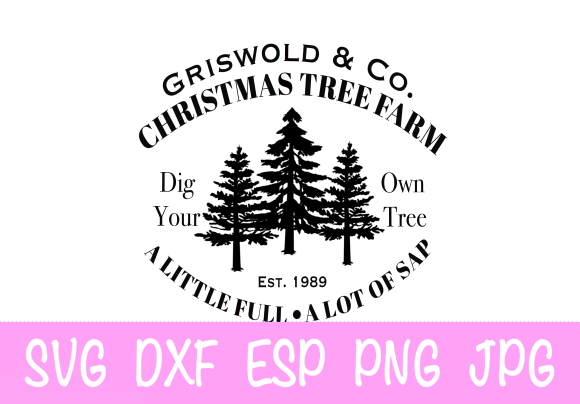
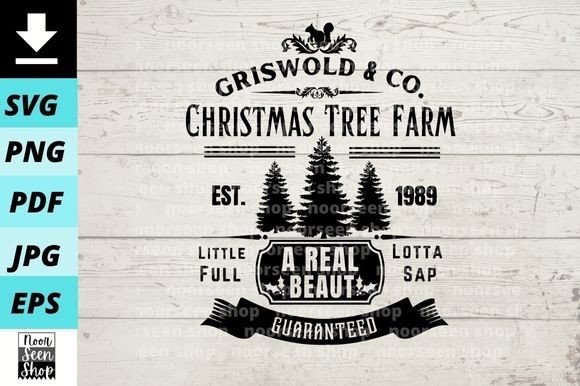
When I first loaded the Griswold and Co Christmas Tree Farm into my embroidery software, the layout felt balanced and intentional. Unlike some clip-art style conversions that feel disjointed when turned into stitches, this design carries a strong visual personality. It evokes the feeling of a crisp winter morning at a local lot, complete with the implied scent of pine and hot cocoa. For a designer, the mood is everything. This piece leans heavily into the "heritage" trend, making it perfect for brands that want to project warmth and authenticity.
The composition suggests a mix of line work and solid areas, which usually indicates a combination of running stitch outlines and fill stitch bodies. This is crucial for readability. If a design is too dense, it becomes a puckered mess on soft goods. If it is too sparse, it looks cheap. My initial assessment is that this design strikes a middle ground, likely offering enough detail to be interesting without overwhelming the fabric. It feels like a design that belongs on high-quality cotton canvas or a heavyweight fleece, rather than a flimsy polyester blend.
Real-World Application: Where This Design Shines
To truly evaluate an embroidery file, you have to imagine it on actual products. I mentally placed the Griswold and Co Christmas Tree Farm graphic onto a few potential projects to gauge its versatility.
- Custom Apparel: This is the strongest contender. Imagine this centered on the chest of a heather grey crewneck sweatshirt. The rustic vibe pairs perfectly with sweatshirt embroidery, creating a garment that feels like a uniform for a fictional (or real) family business. It would also work beautifully as a back-print on a denim jacket or a heavy flannel shirt.
- Tote Bags and Aprons: For the craft business owner selling holiday markets, this design is a goldmine for tote bag design. A natural canvas tote with this tree farm logo stitched in deep greens and reds instantly elevates the item from a simple bag to a boutique accessory. Similarly, a kitchen apron featuring this motif makes for an excellent hostess gift.
- Home Decor: Moving beyond wearables, this fits naturally into holiday embroidery for the home. Think of a linen pillow cover or a tea towel hanging in a farmhouse kitchen. The illustrative nature of the art supports larger hoop sizes, allowing the details to breathe on flat surfaces.
- Patches: If you are into making embroidered patch products, this design has the self-contained border look that works well for cut-and-sew patches. It could be ironed onto beanies or backpacks, extending the life of the design beyond a single garment.
Technical Considerations and Fabric Compatibility
While the aesthetic is strong, practical execution requires vigilance. Every digital embroidery file has its quirks, and knowing where to be careful saves time and thread. With Griswold and Co Christmas Tree Farm, here are the technical factors I would monitor before hitting start.
Fabric Texture and Weight: This design likely relies on clear lines to define the trees and text. On highly textured fabrics like thick wool coats or looped terry cloth, fine details can get lost. I recommend using this on medium-to-heavy weight fabrics with a tight weave. If you must use it on a textured material, increase the pull compensation in your software if you are editing the file, or choose a thicker thread weight to ensure visibility.
Stitch Density and Underlay: One common issue with illustrative designs is uneven stitch density. If the tree sections are large fill areas, they need proper underlay stitching to prevent the fabric from showing through and to anchor the top threads. Without checking the actual file properties, I advise running a test on scrap fabric first. Look for gaps in the coverage or areas where the fabric puckers. Using a high-quality cut-away stabilizer is non-negotiable here, especially if the final product will be washed frequently.
Small Details and Lettering: The name "Griswold and Co" implies there is text involved. Small lettering is the Achilles' heel of many embroidery projects. If the font is too thin or the letters are too close together, they may fill in with thread after a few washes. Before committing to a production run of fifty small shop product items, zoom in on the text elements. Ensure there is enough separation between characters. If the design includes tiny branches or star accents, verify that your machine can handle the resolution without breaking needles or skipping stitches.
Curved Surfaces: While this design looks great flat, applying it to a cap requires caution. The curvature of a front panel can distort wide illustrations. If the Griswold and Co Christmas Tree Farm design is wider than it is tall, it might wrap awkwardly around the curve of a baseball cap. In such cases, it is better suited for the side panels of a beanie or kept strictly to flat garments like t-shirts and hoodies.
Enhancing Brand Value and Customer Trust
In the world of handmade goods, presentation is currency. Using a cohesive, high-quality design like this directly impacts perceived value. When a customer sees clean, crisp stitching with a charming theme, they trust the maker more. It signals professionalism. For commercial embroidery projects, consistency is key. If you are building a holiday collection for a boutique, using the Griswold and Co Christmas Tree Farm across different items—matching mugs (via sublimation), shirts, and bags—creates a unified brand story.
This design also boosts giftability. People love giving gifts that feel personal and curated. A baby onesie with this tree farm motif moves beyond a generic store-bought item into the realm of a cherished heirloom. The emotional connection to the "family farm" theme resonates deeply during the holidays, making the handmade product feel more special.
Final Designer Notes and Best Practices
Before you integrate Griswold and Co Christmas Tree Farm into your workflow, keep these practical steps in mind:
- Test Your Thread Colors: Don't rely solely on the screen preview. Pull physical spools of thread. Check how the greens look against your chosen fabric. Sometimes a forest green looks black on dark navy fabric, ruining the contrast. Test the design in black and white mockups to ensure the shape holds up even without color.
- Verify Licensing: Always confirm the license terms attached to the design assets. Can you sell unlimited finished items? Is there a restriction on the number of products? Knowing this protects your craft business from legal issues down the road.
- Check Hoop Size Requirements: Ensure the design fits your available hoop. If it requires a large hoop but you only have a 4x4, you might need to resize, which can affect stitch quality. Never scale an embroidery design down too small, or the details will merge into a blob.
- Wash Testing: Once you stitch your sample, wash it. Does the design pucker? Do the colors bleed? This step is vital for custom apparel that needs to survive the holiday season and beyond.
In conclusion, the Griswold and Co Christmas Tree Farm design offers a robust foundation for festive projects. Its strength lies in its evocative style and versatility across various embroidery project types. By paying attention to fabric choice, stabilizer use, and detail resolution, you can transform this digital file into a standout physical product that delights customers and enhances your portfolio.